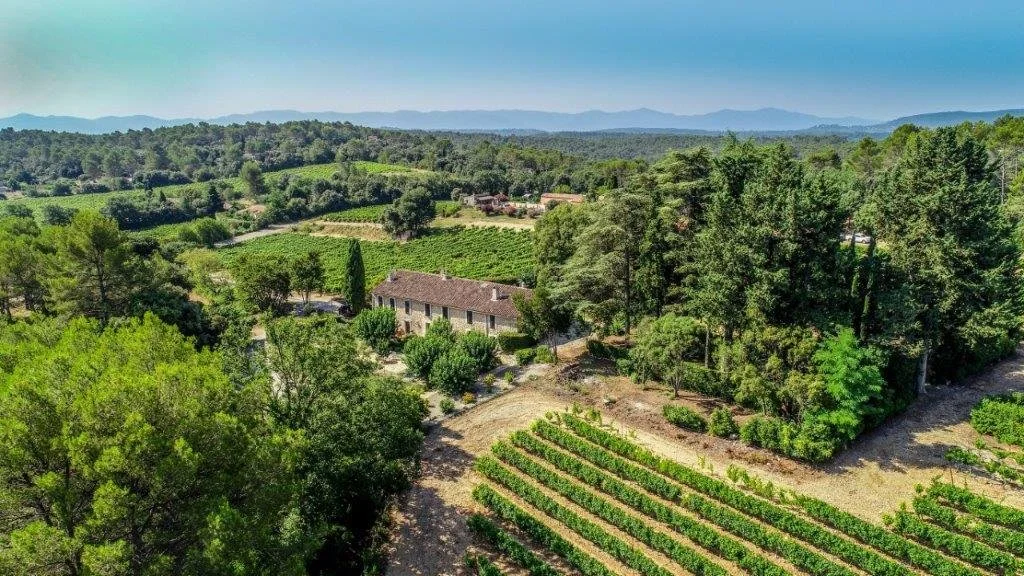
France > Provence > Chateau l’Arnaude
Sustainable, HVE
Provence
Provence, the coastal district just east of the Rhone and west of the Maritime Alps, has been settled for millenia. The main city of the region, right at the mouth of the Rhone, is Marseille, founded in the 7th century BC by the Greeks as Massilia, making it the oldest city in France and one of the oldest in Europe.
At the conclusion of the Punic Wars (Rome v. Carthage) in 146 BC, Rome found itself in possession of Carthage’s Iberian colonies, including Cartegena (Carthago Nova, New Carthage) in Murcia, all the way up the coast to Barcelona (possibly named after Hamilcar Barca, the Carthigenian ruler who founded the city (and was also Hannibal’s father).

Hannibal and his war elephants crossing the Alps
So, having control of much of central and northern Italy, and then coastal Spain, the Romans did what Romans do- they slung a paved road from Rome to Cartegena. And in order to do that, they needed control over the coastal route across southern Gaul. And having conquered their first territory outside Italy, they named it Provincia Romana, The Roman Province, which over time shortened to Provincia, today’s Provence. The latin spoken there has evolved into today’s Provencal, a dialect of Occitan (the language of Languedoc- the Langue d’Oc, ie the region in which Occitan is the primary language)
Cote de Provence & Chateau l’arnaude

Provence appellations- Cote de Provence in dark red.
The Cotes de Provence is a relatively large appellation, mostly in the southeast of the Var but spilling slightly over into the Bouches du Rhone to the west, and into a single village within the Alpes Maritimes further east. The appellation, established in 1977, includes some 50,000 acres and has about 400 wineries within its boundaries. Over half the appellation is under organic or HVE designation. Soils vary greatly but are dominated by limestone marls to the northwest and volcanic-based soils to the southeast. The main red varieties in use are Cinsault, Grenache, Mourvedre, Syrah, and Tibouren. Whites are largely of Clairette, Rolle, and Ugni Blanc.
Chateau L’Arnaude is located in the village of Lorgues, about 20 miles NNW of St Tropez (as the crow flies, about 35 miles and over an hour by the winding roads of Provence). The town (and the estate) is underlain largely by Triassic and Jurassic limestones, which are heavily fractured and hold winter rains to release via springs during the hot, dry summers. Because of the plentiful water supply, the older parts of the town are graced by fountains supplying drinking and irrigation water.
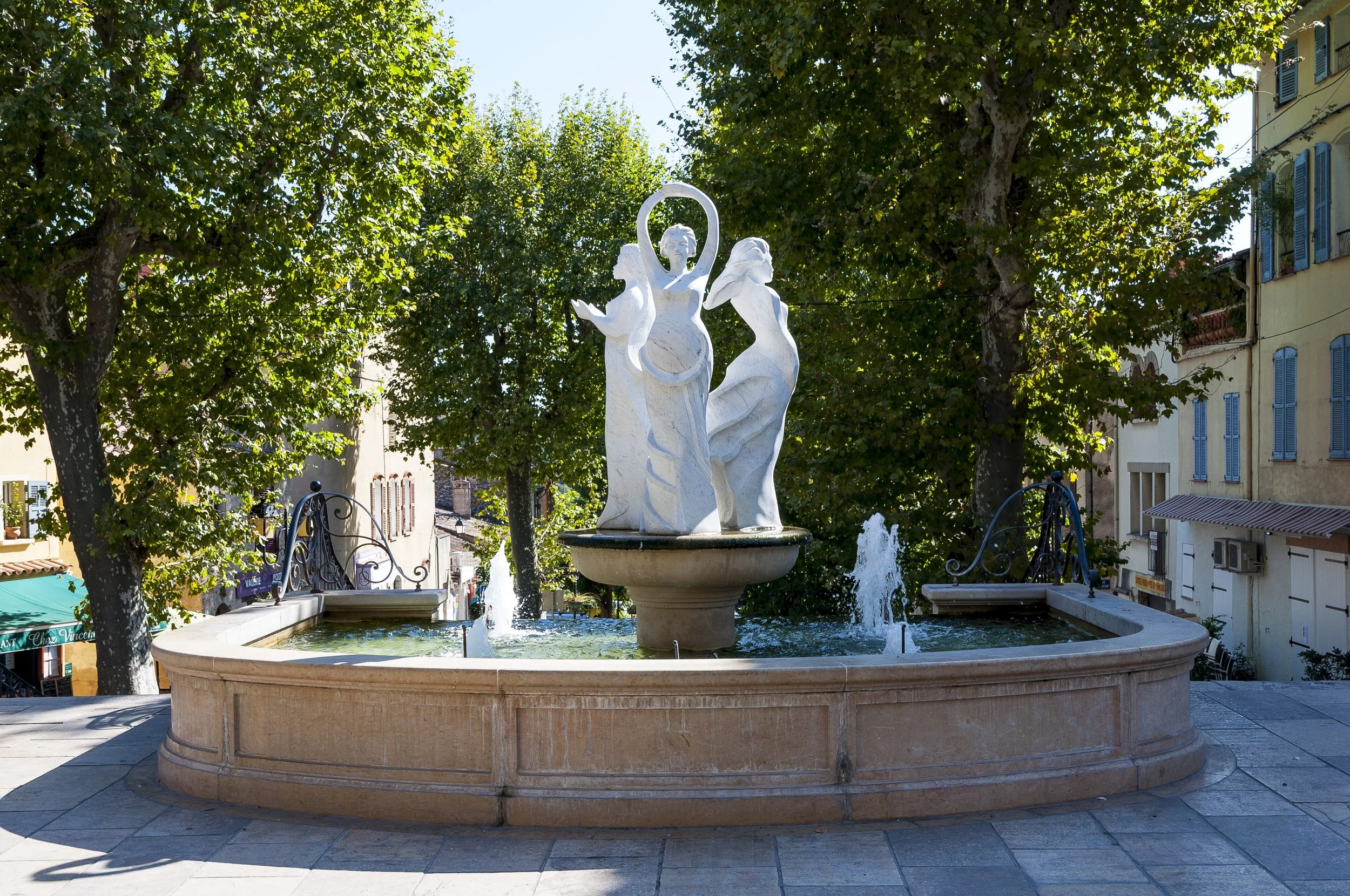
Le Font des Demoiselles, Lorgues
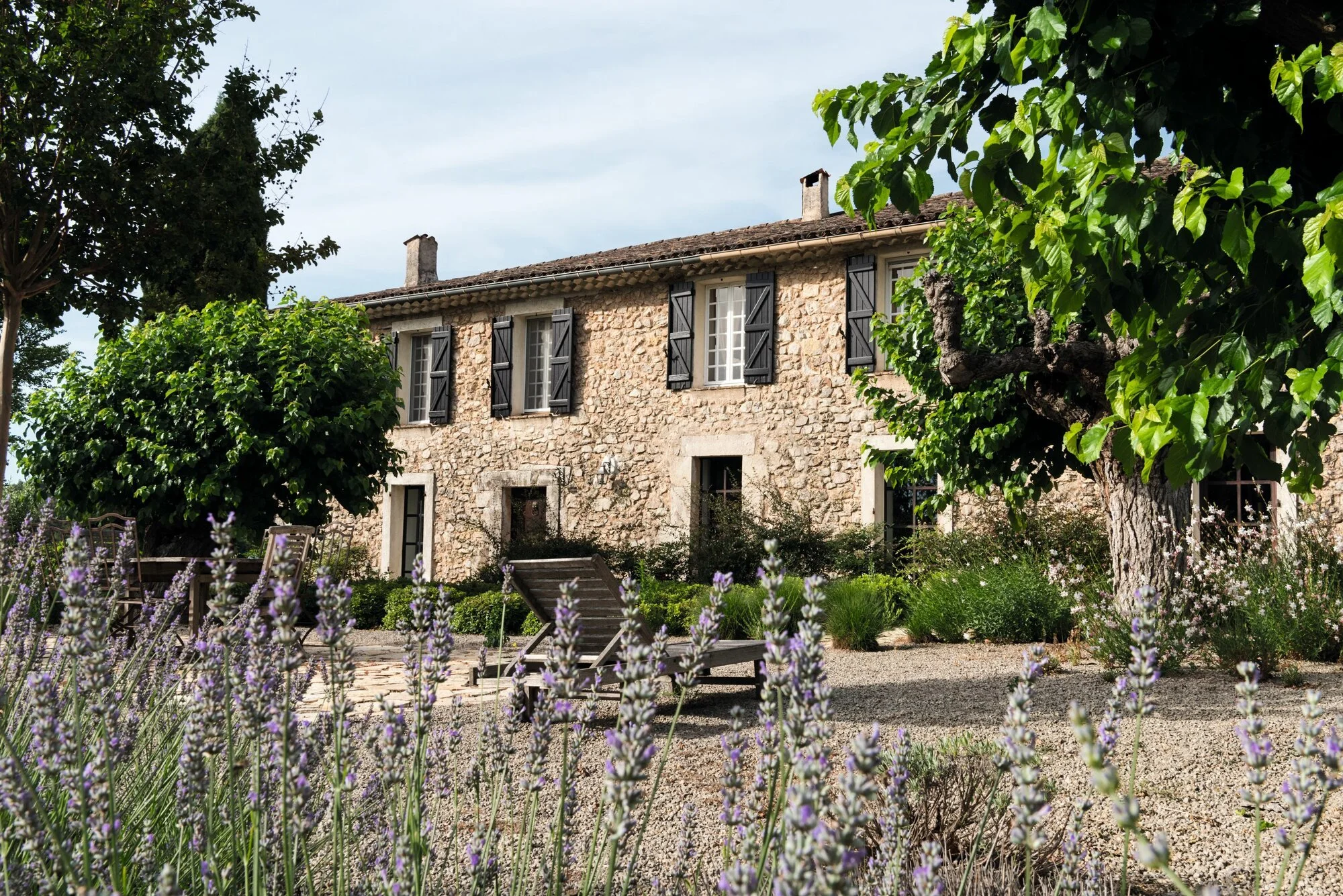
The estate covers some 75 acres, of which about 50 are planted to vines. Originally an hermitage established by Louis XIV to accomodate travellers on the road to Santiago de Compostela, the property was reincorporated as a winery estate in 1971. Owned since 2019 by the Breban family, it is now a producer of fine red, white and rose wines from their estate vineyards.
The Wine
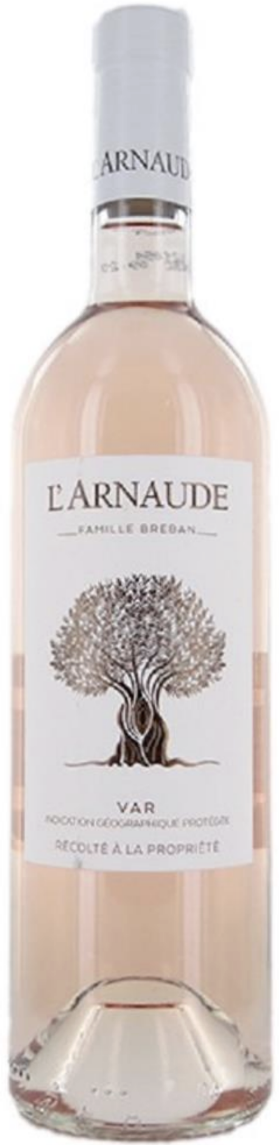
We carry a single wine from the estate- the L’Arnaude Rose. a blend of 70% Grenache with 30% Cinsault, under the Var appellation. Hand harvested, direct cold-press. Separate vinification of the two varieties with post-fermentation marriage. Pale pink and scented with strawberry peach and cherry, with a taut, mineral-driven finish.
Visiting Chateau L’Arnaude: The 18th-century estate farmhouse is operated as a private rental, and is a perfect base from which to explore Provence. Accomodations include 6 bedrooms, 5 baths, a heated swimming pool, full kitchen, terraces, etc. For more information…